8 Creative Techniques to Foster Social Skills in Early Childhood Education
In the formative years of childhood, social skills play a crucial role in shaping a child's future interactions and communication. Educators and caregivers have a unique opportunity to cultivate these skills in a fun and engaging way. Here’s a look at eight creative techniques that can help foster social abilities in early childhood education.
1. Role-Playing Games for Interactive Learning
Role-playing allows children to step into different characters' shoes, promoting empathy and understanding of social dynamics. Through imaginative play, kids learn how to communicate effectively and navigate various social scenarios. Each role they embody helps them recognize different perspectives, which is vital for developing strong social skills.
For instance, acting out different professions or everyday situations can lead to rich conversations and problem-solving moments. During these playful interactions, children not only enhance their vocabulary but also develop the ability to understand and express emotions. They begin to recognize cues such as tone, body language, and facial expressions—crucial elements of social interaction.
Moreover, role-playing can be adapted easily to align with the themes and stories children are familiar with, making it both relevant and fun. Integrating costumes and props adds a tactile element that deepens engagement. This hands-on experience cements lessons about empathy, communication, and even conflict resolution, laying a solid foundation for their social growth.
2. Group Storytelling to Encourage Collaboration
Group storytelling fosters teamwork as children contribute their ideas to create a collective narrative. This collaborative effort enhances listening skills and encourages children to respect each other's contributions. As each child shares their thoughts, they learn the importance of valuing diverse perspectives—a key element in social interactions.
Beyond just creativity, storytelling nurtures an environment of trust and support. Children quickly realize that their input is not only welcomed but also essential to the group's final tale. This realization fosters a sense of belonging among the kids and empowers them to speak up, building their confidence as communicators.
To add excitement, introduce props or thematic elements tied to the story. Imagine the energy in the room when children hold a plush toy representing a character or even act out certain scenes! This immersive approach elevates group storytelling from a simple exercise to an unforgettable experience, enriching their social skills in ways that textbooks alone cannot.
3. Art Projects That Reduce Barriers
Art projects are excellent for breaking down social barriers. By working together on a communal art piece, children learn to share their thoughts and negotiate roles, strengthening their social connections. The beauty of art lies in its ability to express feelings and ideas that words might not capture, providing a non-verbal platform for children to connect.
When kids collaborate on a mural or a collage, they practice essential skills like communication, compromise, and collective problem-solving. These projects not only showcase diverse artistic styles but also teach children about patience and appreciation for one another's contributions. As they step back to admire their work, they see the tangible results of their teamwork—a powerful reminder of what they can achieve together.
Additionally, the open-ended nature of art allows for free expression. Children can experiment and invent, which encourages risk-taking and creativity. This environment fosters friendship as children cheer each other on, enhancing their social bonds in the process. Incorporating art projects into the curriculum isn’t just about creating masterpieces; it’s about building a community of support and collaboration.
4. Music and Movement Activities to Build Bonds
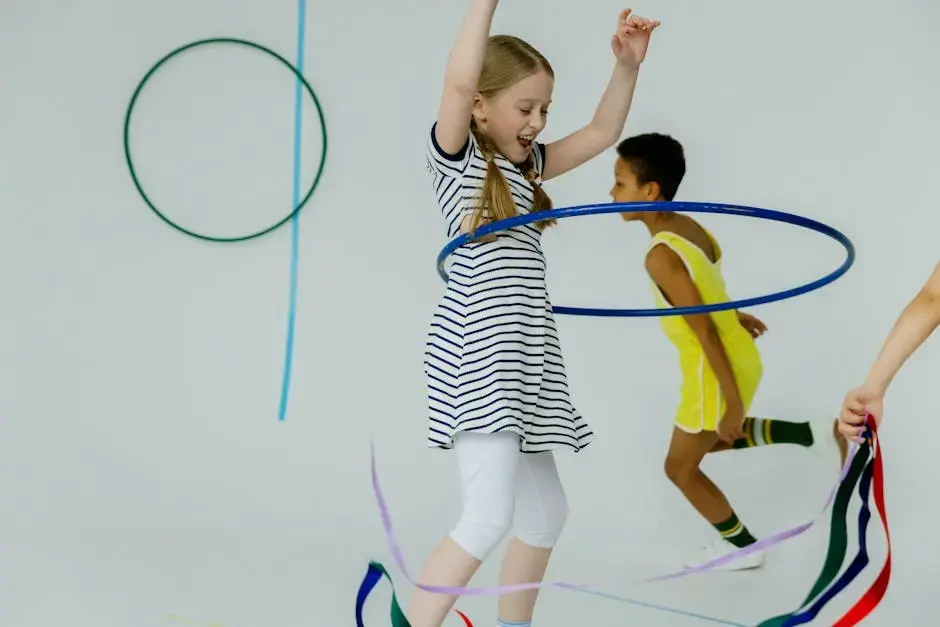
Incorporating music and movement into sessions encourages children to work together, fostering cooperation. Whether it's a dance party or a group sing-along, these activities naturally nurture friendships. Music has a unique way of sparking joy and unleashing energy, making it an ideal medium for children to connect.
Consider implementing simple songs that require action, such as 'Head, Shoulders, Knees, and Toes.' These songs not only promote physical activity but also create opportunities for children to follow directions together, enhancing coordination. Group dancing or rhythmic activities further strengthen social bonds through shared laughter and joyous movements.
Moreover, music can serve as a cultural bridge. Introducing songs from different backgrounds allows children to embrace diversity and learn about each other's cultures. This exposure cultivates respect and open-mindedness, ensuring that children appreciate the richness of differing traditions, thus enriching their social skills in a way that resonates long after the music stops.
5. Nature Exploration for Team Building
Exploring nature provides opportunities for children to collaborate in tasks like scavenger hunts. This shared adventure promotes teamwork and communication as they discover the beauty around them. Working together to find specific items teaches kids not just to look but to observe attentively, promoting patience and collective strategy.
During these explorative outings, the excitement is palpable. Children run through fields, examine leaves, and share findings, cultivating a sense of wonder and curiosity. It’s a chance for them to engage with the environment while also practicing essential social skills such as negotiation and sharing resources.
Nature excursions create an informal setting where children learn to rely on one another. As they encounter challenges—like figuring out how to cross a stream or reach a high branch—they are forced to communicate effectively, fostering problem-solving skills. By building connections with both nature and each other, children create lasting memories that strengthen their social bonds.
6. Cooking Projects to Promote Sharing and Patience
Cooking together requires children to share tasks, follow directions, and practice patience. This hands-on activity teaches cooperation while creating something delicious to enjoy together. From measuring ingredients to waiting for cookies to bake, kids learn that good things take time, enhancing their ability to delay gratification.
Each step in the cooking process builds anticipation and excitement, fostering camaraderie as children work side by side. They learn about the importance of teamwork as they decide who will mix, who will pour, and who will be in charge of the timer. This collaboration nurtures connections and enhances their ability to communicate effectively.
Moreover, the sensory experiences tied to cooking—like the smell of fresh bread or the chatter around a mixing bowl—create a lively atmosphere. Cooking sessions can also incorporate lessons about nutrition, teaching children about making healthy choices. Overall, the kitchen becomes a nurturing environment where social skills blossom, and friendships flourish over shared meals.
7. Community Involvement for Real-World Interaction
Engaging in community service teaches children the importance of giving back. Collaborating on community projects provides real-life opportunities for children to interact and develop empathy. Whether it’s planting a garden, collecting food for those in need, or creating care packages for the elderly, these activities instill a sense of responsibility.
As children work together on these initiatives, they learn the value of teamwork and the joy of making a difference within their local community. They experience firsthand the impact they can have on others, increasing their emotional intelligence while honing their social skills in the process.
Furthermore, community involvement opens avenues for children to engage with peers they may not typically interact with at school. These diverse interactions are invaluable; they foster respect, understanding, and lasting connections. Ultimately, this collective achievement serves as a powerful reminder of the importance of collaboration and empathy in building a supportive community.
8. Games That Encourage Turn-Taking and Fair Play
Board games and group activities that require turn-taking help children practice patience and fairness. These games are not just fun; they are essential for developing critical social skills. As children wait their turn, they encounter opportunities to express excitement and frustration, learning how to navigate their emotions within a social context.
Moreover, competitive games teach valuable lessons about winning gracefully and losing with dignity. Children learn that it’s okay not to win every time, fostering resilience and sportsmanship. By discussing feelings surrounding victories and defeats, educators can guide children through these experiences, further enriching their understanding of social interactions.
Additionally, integrating cooperative games can be equally beneficial. Rather than competing against each other, kids work towards a shared goal. This emphasis on collaboration reinforces the idea that success often comes from supporting one another, nurturing friendships, and building a sense of community among peers. It’s these shared experiences that lay the groundwork for strong social skills that will last a lifetime.


Comments