What Are the Benefits of Immersive Language Learning for Preschoolers?
- Star Bridge
- Dec 2, 2025
- 3 min read
Immersive language learning offers a vibrant and engaging way for preschoolers to acquire new languages. This approach creates a rich environment that stimulates curiosity and encourages active participation. Let's explore the many benefits of this interactive learning method for our youngest learners.

Benefit 1: Enhanced Language Acquisition
Immersive learning allows preschoolers to absorb language in a natural setting, mimicking the way they learned their first language. This method emphasizes listening and speaking, which are crucial during early childhood.
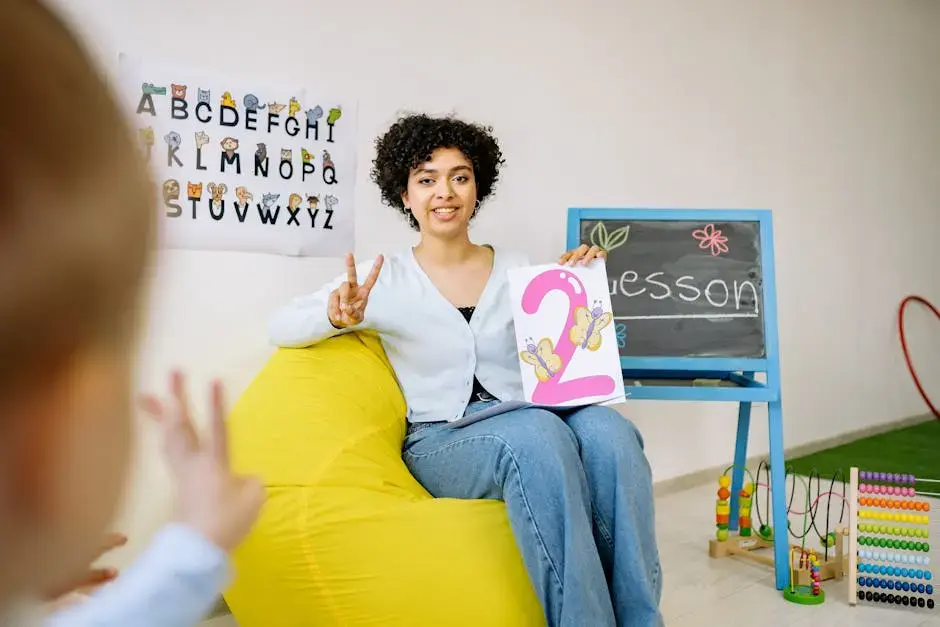
Engagement is key in early language learning. When children are surrounded by the sounds and rhythms of a new language, they begin to pick up words and phrases intuitively. This type of environment immerses them fully, much like when they learned to communicate in their native tongue.
Moreover, regular interaction with fluent speakers can significantly boost their confidence. Children will feel more inclined to practice and experiment with the new language, which reinforces their learning process.
In addition, incorporating songs, games, and storytelling in the target language makes the learning process enjoyable. It transforms what could be a daunting task into fun playtime, ensuring preschoolers remain eager to learn.
Benefit 2: Improved Cognitive Development
Learning a new language stimulates critical thinking and problem-solving skills. It helps children to develop their memory and enhances their ability to multitask.
Research has shown that bilingual children tend to perform better in tasks that require cognitive flexibility. This means they're often better at switching between tasks and can handle multiple instructions at once.
In essence, the mental workload associated with mastering a second language exercises young minds, much like physical exercise strengthens their bodies. Each new vocabulary word adds to their cognitive toolkit.
Furthermore, exposure to different grammatical structures and sounds can enhance overall language skills, leading to improved outcomes in both their first and second languages. It creates a robust foundation for future learning.
Benefit 3: Increased Cultural Awareness
Immersive environments expose children to diverse cultures. This understanding fosters empathy and inclusivity, teaching them to appreciate different perspectives from an early age.
As preschoolers engage with stories and traditions from various cultures, they begin to understand the rich tapestry of humanity. This not only broadens their worldview but also nurtures a sense of respect for differences.
When children learn about other cultures, they develop a curiosity and openness that encourages lifelong learning. They become more adaptable and sensitive to the experiences of others, traits that are invaluable in our increasingly global society.
Moreover, celebrating cultural festivities and practices associated with the language being learned adds an element of joy and engagement, making the learning experience memorable and impactful.
Benefit 4: Boosted Social Skills
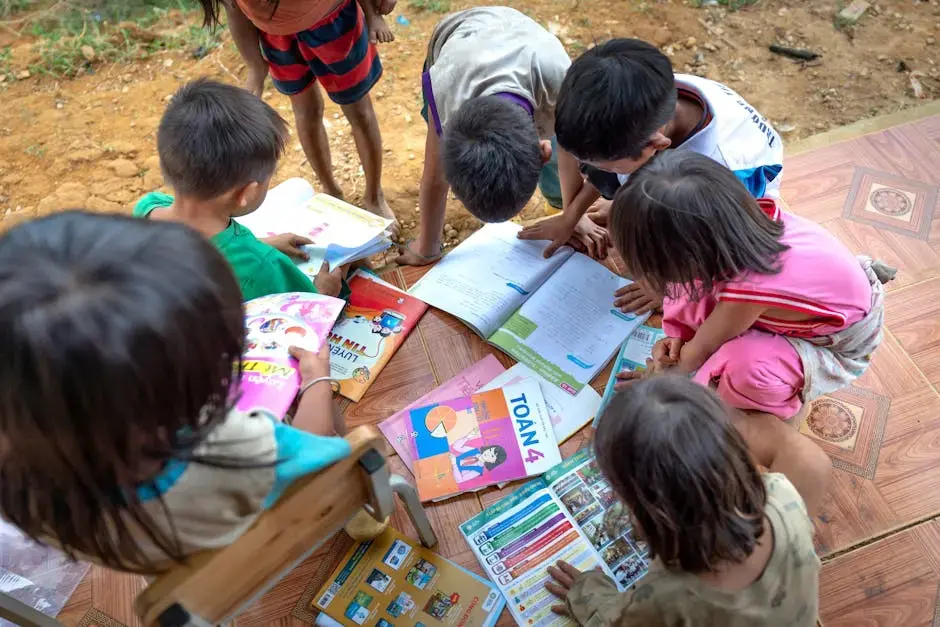
Engaging with peers in an immersive language setting encourages collaboration and communication, helping children build strong social bonds and teamwork abilities.
As preschoolers share their language learning experiences, they create connections with their classmates, promoting a spirit of camaraderie. This social interaction not only enhances language skills but also strengthens friendships.
Group activities, such as role-playing or collaborative games, allow children to practice their language skills in real-time. These moments are crucial as they learn to negotiate, cooperate, and express themselves effectively.
Also, by communicating in a new language, preschoolers become more confident explorers of their social environment. They learn the importance of listening, which is foundational for building strong relationships.
Final Thoughts on Immersive Language Learning
In conclusion, immersive language learning is not just about gaining vocabulary; it’s about nurturing a love for languages, enhancing cognitive skills, and fostering social connections. By integrating this approach into preschool education, we set the foundation for lifelong learning and cultural appreciation.

Comments