What role does cultural immersion play in language acquisition?

Cultural immersion can be a game-changer when it comes to learning a new language. In this blog, we’ll explore how engaging deeply with a culture enhances both understanding and fluency in a language. Let’s dive into the key aspects of cultural immersion and its impact on language acquisition.
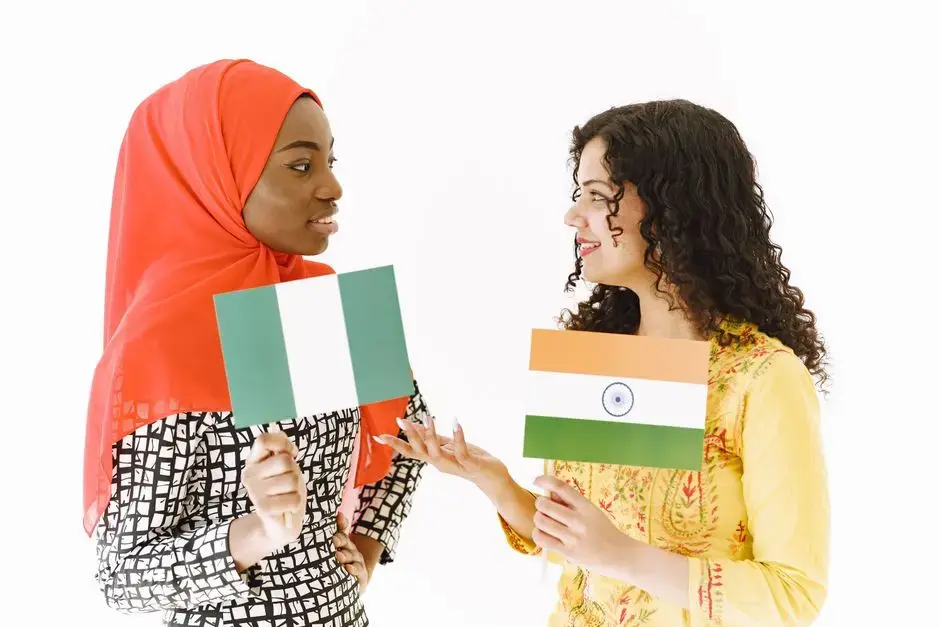
Understanding Cultural Immersion
Cultural immersion involves experiencing a culture first-hand, which includes its language, traditions, and social practices. This foundational understanding sets the stage for effective language acquisition.
The essence of cultural immersion is the synergy between language and culture. When learners engage with both simultaneously, they begin to grasp not just words and grammar, but the cultural nuances that shape communication.
To immerse oneself in a culture means stepping beyond textbooks and classrooms. It’s about listening to music, watching films, and savoring food that embodies the spirit of the language being learned.
Furthermore, this experience can help learners develop a more authentic accent and understanding of rhythm and intonation, elements crucial in mastering any language. Immersive experiences can also foster a sense of belonging within a community.
Ultimately, the journey of cultural immersion is both an intellectual and emotional endeavor, one that paves the way for deeper connections and understanding in language acquisition.
Enhancing Vocabulary and Context
When learners immerse themselves culturally, they encounter words and phrases in context, making it easier to remember and use them appropriately in conversation.
Consider the difference between learning vocabulary in isolation versus in a lively market in a foreign country. Seeing, hearing, and actively using words in such environments reinforces memory far better than rote memorization.
Moreover, cultural immersion exposes learners to slang and idiomatic expressions that aren’t typically taught in traditional language classes. Such phrases often encapsulate cultural sentiments, making them valuable for authentic communication.
For example, a term related to a local festival might carry social significance that illuminates the community's values. Thus, vocabulary gained through immersion not only expands linguistic ability but also enriches cultural comprehension.
In essence, immersive environments create a tapestry of experiences from which learners can draw, leading to a more nuanced and flexible understanding of language.
Building Connections Through Experience
Experiencing a culture allows learners to build relationships with native speakers, providing opportunities for practice and a deeper understanding of language nuances.
Engaging with local residents offers invaluable lessons beyond vocabulary and grammar. It’s about hearing stories, sharing laughs, and comprehending the subtleties of emotions expressed through language.
These interactions can significantly boost language skills; each conversation creates a unique learning opportunity. Through mistakes and corrections in real-time, learners grow more confident in their abilities.
Additionally, friendships forged through cultural immersion often extend beyond just language practice. They foster cross-cultural understanding and lasting bonds that enrich personal growth and language proficiency.
Ultimately, the connections made through such experiences create a supportive learning environment, making language acquisition an enjoyable and relational journey.
Boosting Confidence and Motivation
Cultural immersion can increase a learner's confidence by providing real-life contexts to practice language skills, while the excitement of engaging with a new culture serves as a powerful motivator.
When learners actively participate in cultural activities, such as cooking classes or local events, they find themselves using the language more freely, which in turn boosts their self-esteem.
Furthermore, feeling the thrill of communicating effectively with locals fuels enthusiasm and encourages continued learning. The joy of understanding a joke or successfully navigating a conversation is immensely rewarding.
This newfound confidence can create a positive feedback loop: the more learners engage, the more they reap the rewards, and the more they want to engage.
In the grand scheme of language learning, motivation driven by positive experiences can often be the difference between perseverance and giving up. Cultural immersion nurtures a love for the language, transforming the learning process into an adventure.
Overcoming Challenges During Immersion
While cultural immersion is beneficial, it can also present challenges, such as language barriers or cultural misunderstandings. Acknowledging these hurdles is key to navigating them successfully.
For instance, it's common for learners to feel overwhelmed when faced with rapid conversations or idiomatic expressions. However, these moments can serve as vital learning points, teaching resilience and adaptation.
Moreover, cultural norms may differ significantly, leading to situations where learners could unintentionally offend. Understanding and being sensitive to these differences is an essential part of the immersion process.
Facing challenges head-on is crucial. Whether it's seeking clarification from locals or researching cultural practices, each step taken enhances understanding and fluency.
Ultimately, overcoming these challenges gives learners a sense of accomplishment, further fueling their desire to immerse themselves in the language and culture.
Wrapping Up
In conclusion, cultural immersion significantly enriches the language learning experience by providing context, emotional connections, and practical usage. By embracing the culture tied to the language, learners can feel more motivated and competent in their language skills.



Comments