8 Reasons Why Mandarin Immersion is a Game-Changer in Childcare

In today's globalized world, learning a second language is becoming increasingly important. Mandarin immersion programs are emerging as a dynamic option for childcare, providing children with not just language skills, but a wealth of cognitive and cultural advantages. Here’s why enrolling your child in a Mandarin immersion program can make a significant difference in their early development.
1. Enhanced Cognitive Skills
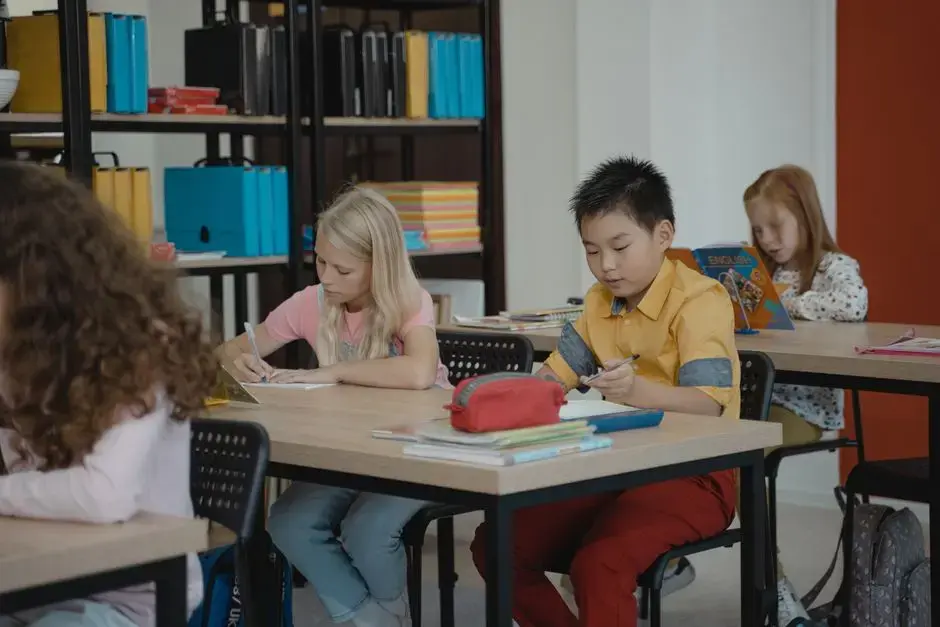
Studies show that bilingual children often perform better in problem-solving tasks and develop superior cognitive skills, including multitasking and creativity. These enhanced abilities are not just theoretical; many parents have observed their children tackling challenges with a remarkable level of ingenuity and adaptability. This cognitive sharpening stems from being able to think in two different languages, which has been proven to increase mental flexibility.
Additionally, learning Mandarin, a tonal language, can contribute to better listening skills and auditory discrimination. Children become more attuned to the nuances of language and sound, which positively influences their ability to learn other languages in the future. The skill of discerning tone and subtle differences in pronunciation is not easily developed, but immersion programs facilitate this learning early on, leading to long-lasting cognitive benefits.
2. Cultural Awareness from an Early Age
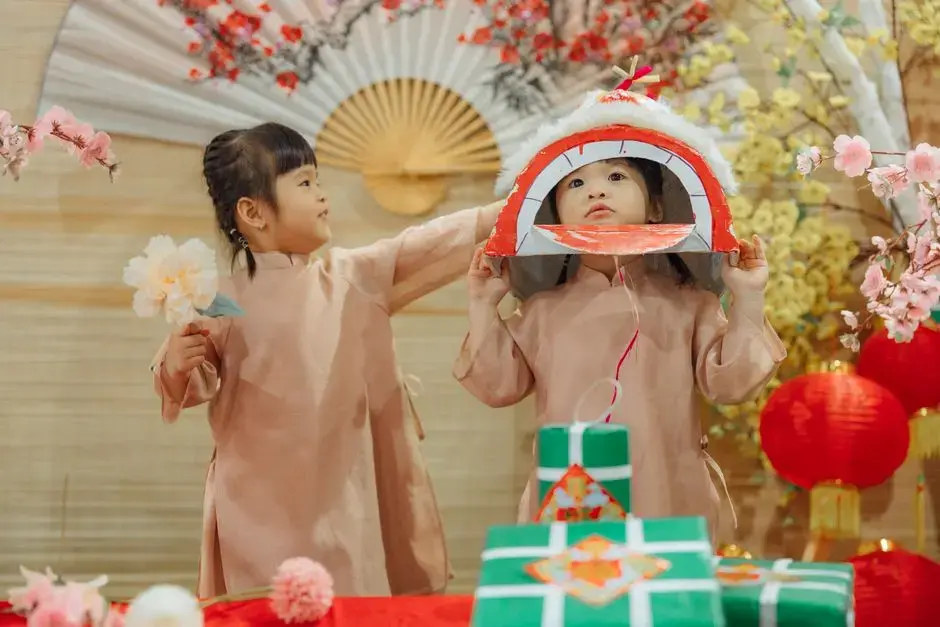
Mandarin immersion exposes children to Chinese culture, fostering an early appreciation for diversity and global perspectives. Through stories, songs, and celebrations of traditional holidays such as the Lunar New Year, children gain firsthand experience with a culture that may be different from their own. This exposure nurtures respect and understanding, building a foundation that encourages global citizenship.
Furthermore, as children learn about various cultural practices, they become more open-minded and eager to explore other cultures as well. This cultural literacy not only enriches their education but also shapes them into more empathetic individuals, equipped to navigate a multicultural society. In essence, engaging with Mandarin immersion is not just about language; it’s about cultivating a worldview that celebrates diversity.
3. Improved Communication Abilities
Children in immersion programs become adept at switching between languages, which enhances their overall communication skills, both in Mandarin and their native tongue. This natural bilingualism not only facilitates effective communication but also enables children to express themselves more clearly and confidently. It’s fascinating to see young learners switching seamlessly between Mandarin and English, showcasing not just language skills but also cognitive agility.
Moreover, as children learn to express thoughts and feelings in two languages, they develop a deeper understanding of the nuances of language. They learn how to convey emotions and intentions in various contexts, which is an invaluable social skill that enriches their interactions with peers. It's these enhanced communication skills that often lead to greater success in both personal relationships and academic environments.
4. Better Academic Performance
Research indicates that bilingual children often excel in standardized tests and have a stronger grasp of complex subjects, such as math and science. The cognitive processes involved in learning multiple languages contribute to improved analytical skills and problem-solving abilities, essential for academic success. This is particularly notable in subjects that require logical reasoning and critical thinking.
Additionally, language immersion students frequently display increased motivation and curiosity, leading to higher engagement in learning. They tend to see education as a multifaceted journey rather than a series of isolated subjects. This holistic approach inspires a love for learning that lasts a lifetime. As parents consider options like a 'Chinese daycare near me,' it becomes evident that the foundations laid in these early years can significantly shape future academic trajectories.
5. Increased Empathy and Social Skills
Exposure to another language and culture fosters empathy, allowing children to understand different perspectives and build stronger social bonds. As they learn about the unique traditions and lifestyles associated with the Mandarin language, children begin to appreciate the differences that make each person unique. This understanding can help bridge cultural divides and promote inclusive behaviors among peers.
Furthermore, children who learn a language early often develop better social skills. They become more adept at interpreting social cues and navigating complex social dynamics, which are critical for forming friendships and working in teams. As a result, the environment of a Mandarin immersion program can foster not just language development but holistic social growth.
6. Close Connection to Family Heritage
For families with Chinese heritage, Mandarin immersion creates opportunities for children to connect with their roots, enriching their family dynamics. By learning the language spoken by grandparents or relatives, children can communicate with family members more deeply and meaningfully. This connection to heritage instills a sense of pride and belonging, nurturing a love for their cultural identity.
Moreover, this connection goes beyond language; it encompasses traditions, values, and family histories that children can share with their peers. Through learning Mandarin, children can form relationships built not only on communication but also on cultural understanding and shared experiences. It's a beautiful way to weave family heritage into everyday learning.
7. Long-term Career Advantages
As job markets evolve, being bilingual becomes a significant asset. Mandarin speakers are increasingly in demand across various fields, giving early learners a competitive edge. Industries such as business, technology, and international relations especially value this skill, allowing bilingual individuals to stand out in a crowded marketplace. Parents often find themselves considering the long-term implications of this investment in their children's education.
In a world that's becoming more interconnected, having the ability to communicate in Mandarin can open doors to unique career opportunities and experiences that would otherwise be inaccessible. Parents might reflect on their child’s future and envision a path that not only offers career success but also cultural engagement on a global scale. Enhancing a child’s resume with bilingual capabilities can set them on a path toward exciting professional ventures.
8. A Fun and Engaging Learning Experience
Mandarin immersion programs typically incorporate play-based learning, making language acquisition enjoyable and motivating for young children. The integration of games, songs, and creative activities makes the classroom a dynamic environment where children thrive. The excitement of learning through play helps reduce anxiety that often accompanies language learning, allowing kids to engage without fear.
Furthermore, this fun approach not only retains children's interest but also reinforces what they learn through various interactive experiences. Whether it's storytelling, movement exercises, or arts and crafts, these activities create a multi-sensory learning environment that makes mastering Mandarin an adventure. In this way, children associate language learning with excitement and joy, paving the way for lifelong language appreciation.


Comments