10 Tips for Enhancing Chinese Literacy in Early Childhood
- CYNTHIA WANG
- Apr 7
- 4 min read

As we navigate the wonderful world of early childhood education, enhancing Chinese literacy can be a delightful journey for both children and parents. By incorporating engaging techniques and resources, we can nurture a love for the language that lasts a lifetime. Here are ten effective tips to help foster Chinese literacy in your little ones.

1. Create a Language-Rich Environment
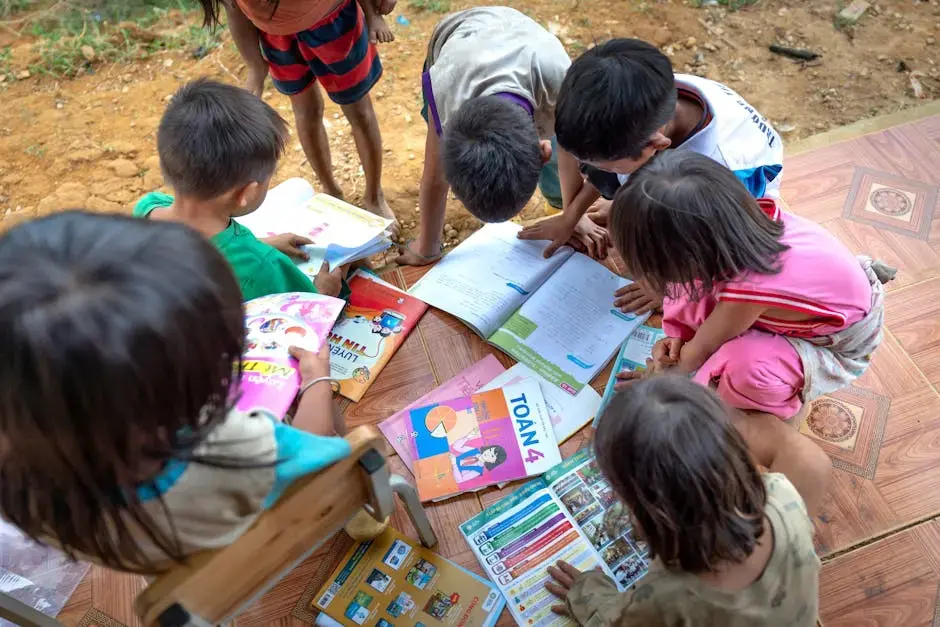
Surround your child with Chinese language materials, such as books, labels, and art, to create an immersive experience. When children see words and characters in their everyday lives, they begin to recognize and understand the language organically. This simple act of displaying labels around your home can turn ordinary objects into learning tools. For instance, label common items like '桌子' (table), '椅子' (chair), and '书' (book) to help your child connect the word with its meaning through repeated exposure.
Moreover, incorporating visual aids can significantly enhance comprehension. You might consider using flashcards or colorful posters that highlight basic vocabulary. This strategy fosters both reading skills and rich discussions about the images, which can be incredibly engaging for little learners.
2. Incorporate Play-Based Learning
Use games and playful activities that involve Chinese vocabulary and phrases to make learning enjoyable. Children learn best when they are having fun, so integrating play into your teaching methods is essential. For example, you could create a scavenger hunt around your house where they must find items based on Chinese clues. This not only amplifies their vocabulary but also brings excitement into the learning process.
Additionally, interactive games that utilize Chinese characters can be found in many educational apps. These resources teach while captivating children's imaginations, making them more likely to absorb information without it feeling like a chore. Through these playful interactions, kids will develop a natural affinity for the language.
3. Engage with Traditional Stories
Share traditional Chinese stories and fables that not only teach language but also impart cultural values and lessons. Stories such as 'The Boy Who Cried Wolf' or 'The Legend of the White Snake' come rich with historical context and moral teachings that resonate with children. By reading these tales, you introduce them to intricate narratives while expanding their vocabulary in a meaningful context.
Even better, try acting out these stories together! This not only reinforces language skills but adds an enjoyable, interactive element to storytelling. Children can adopt different roles and express themselves in Mandarin, significantly boosting their confidence in speaking.
4. Encourage Mandarin Speaking at Home
Set aside time for family conversations in Mandarin to boost your child's comfort and fluency in speaking. Regular practice is key, so try to integrate Mandarin into your daily routines, whether during meals or playtime. This consistent exposure helps children feel more at ease navigating the language and greatly enhances their listening skills.
You could even establish a 'Mandarin hour,' where only Mandarin is spoken, enabling family members to communicate entirely in the language. This approach fosters a supportive environment for practicing without the stress of judgment, making it easier for children to learn and use Mandarin naturally.
5. Utilize Children’s Music and Rhymes
Sing songs and nursery rhymes in Chinese to enhance vocabulary and language rhythm in a fun way. Music has a magical ability to make language memorable, and children love the catchy tunes of familiar songs. You could explore cultural songs or even make up your own rhymes to describe everyday activities.
By repeating these songs, children learn pronunciation and intonation while enjoying themselves. Plus, you can create movements or dances that accompany the lyrics, allowing children to connect physical actions with language, further embedding the vocabulary into their memory.
6. Explore Interactive Apps and Online Resources
Leverage child-friendly apps that offer interactive Chinese literacy activities that promote reading and comprehension skills. The digital world provides a wealth of educational tools that can motivate kids to participate actively in their learning journey. Games focused on word recognition, story-building, and character tracing are incredibly useful. They provide instant feedback, keeping children engaged and eager to learn more.
Moreover, look for online platforms that connect children with native speakers. These can enhance their speaking abilities and provide valuable cultural insights that enrich their understanding of the language beyond mere vocabulary.
7. Encourage Writing Through Simple Exercises
Provide opportunities for children to practice writing characters through tracing and drawing to strengthen their skills. Children often express themselves through writing, which is a fundamental skill for literacy. Make it fun by turning writing practice into art projects where they can illustrate their characters creatively.
Incorporating writing into daily tasks—like making grocery lists in Mandarin—can also be beneficial. This ensures that writing feels relevant and practical, reinforcing their learning outside of traditional contexts.
8. Join Community Language Programs
Participate in local groups or classes that focus on Chinese language learning to provide additional support and interaction. Being part of a community fosters a sense of belonging while allowing children to practice spoken Mandarin with others. This exposure enhances their confidence and social skills, establishing friendships based on a shared learning experience.
Additionally, community events often celebrate Chinese culture. This can enrich your child's understanding of the language and its context, making learning more joyful and engaging.
9. Introduce Arts and Crafts with a Language Twist
Combine arts and crafts projects with vocabulary lessons to reinforce learning through creativity. Activities like making lanterns, origami, or decorating cards can be infused with language lessons. For instance, while crafting, you can explain the meanings of the materials or colors used in Mandarin.
This approach not only makes the learning process exciting but also highlights the cultural significance behind various art forms in Chinese society, thus deepening their connection to both the language and its rich traditions.
10. Celebrate Chinese Culture and Festivals
Engage in activities and celebrations surrounding Chinese holidays to deepen your child's connection to the language and its culture. Participating in events like the Lunar New Year or the Mid-Autumn Festival provides opportunities to explore traditions and practices while using Mandarin.
From crafting decorations to cooking traditional recipes, there are countless ways to incorporate language into these experiences. This hands-on involvement will not only improve their vocabulary but also create cherished memories linked to language learning.


Comments