10 Ways Cultural Immersion Enhances Preschool Learning

Cultural immersion is a powerful tool in preschool education. It allows young learners to step into different worlds, fostering a love for diversity and a broader understanding of their surroundings. In this blog, we’ll explore ten engaging ways cultural immersion can enhance the learning experiences of preschoolers, making education more dynamic and enjoyable.
1. Bringing History to Life
Experiencing various cultures introduces preschoolers to different historical narratives and traditions, making history feel more relatable and exciting. When children dance to traditional songs or learn about ancient civilizations, they aren't just memorizing facts; they're stepping into a story that shapes their understanding of the world. This engagement fosters a genuine interest in history, allowing them to connect the past with their present lives. Through storytelling and hands-on activities, children learn that history is not a distant concept but a rich tapestry of human experience.
Moreover, by incorporating local history from various cultures, educators can create a richer educational environment. For instance, discussing Native American legends alongside Italian folklore allows children to see both similarities and differences, enhancing their appreciation of human creativity. This kind of immersive storytelling sparks conversations and draws questions, aiding in developing analytical thinking skills from a young age.
2. Enhancing Language Skills
Exposure to multiple languages through cultural activities can boost language development and spark a lifelong interest in learning new languages. When children engage in singing songs in different languages or listening to stories read aloud by native speakers, they're not merely having fun; they're training their brains to become aware of linguistic nuances. This natural interaction with different sounds helps to strengthen their phonemic awareness, making them more adept at picking up languages as they grow.
Additionally, learning greetings, songs, or even simple phrases from other languages in a playful context creates a sense of belonging and excitement. It demonstrates that language is a key to relationships, community, and identity. As they practice with peers, they also pick up social cues and adapt their communication styles, fostering collaboration and understanding among their classmates.
3. Fostering Empathy and Understanding
Cultural immersion invites children to see the world through different perspectives, helping them understand and empathize with others. Through role-playing activities, children can inhabit the lives of others, authenticating the feelings and experiences of people from diverse backgrounds. This practice nurtures kindness—the understanding that everyone has their own unique story, struggles, and joys.
By participating in multicultural events, preschoolers also learn to celebrate differences. Activities such as sharing a dish from a particular culture or learning a dance from a different part of the world allow children to not only enjoy the diversity around them but also realize that their peers have rich histories that deserve acknowledgment. This awareness lays the groundwork for growing up as compassionate and culturally aware adults.
4. Encouraging Creativity and Expression
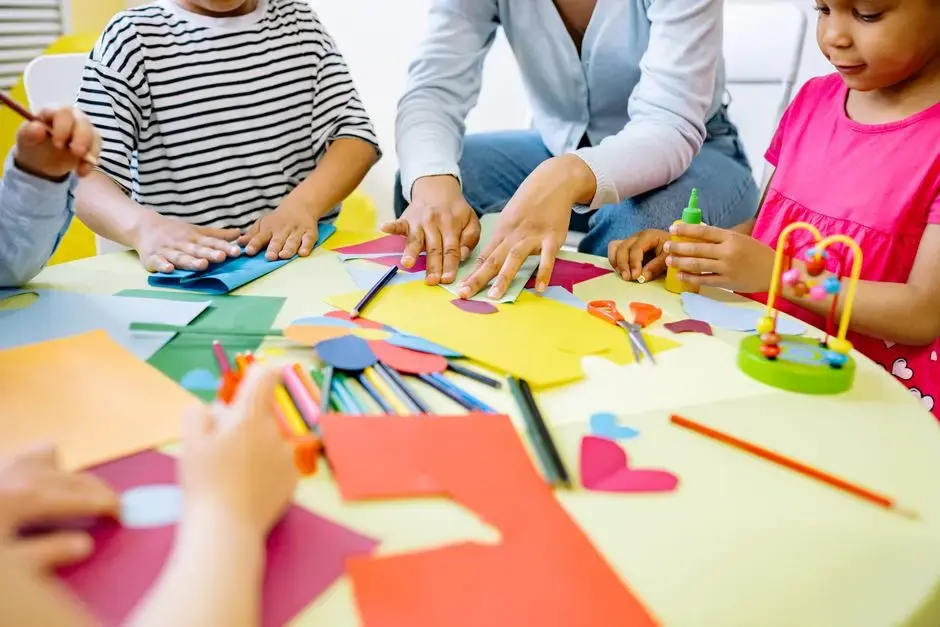
Participating in cultural arts and crafts allows children to express themselves and explore their creativity in unique ways. Through painting, mask-making, and traditional crafting, preschoolers can experiment with colors, textures, and forms that are unfamiliar to them. This not only broadens their artistic vocabulary but also channels their emotions into creation, leading to a more fulfilling outlet for self-expression.
Additionally, cultural integration in art opens discussions about symbolism and meaning inherent in different cultures' art forms. Understanding why a particular color is significant or what a specific shape represents enhances their appreciation of art as a form of communication. Not only do children gain artistic skills, but they also cultivate a deeper respect for various traditions and their underlying meanings.
5. Building Community and Connections
Culturally immersive experiences often involve sharing with others, which helps preschoolers build friendships and a sense of community. When they participate in celebrations from different cultures, like Diwali or Lunar New Year, children share in the joy and learn to celebrate others' traditions as if they were their own. This not only fosters a communal spirit but also instills values of inclusivity and respect right from an early age.
Furthermore, these activities naturally lead to conversations about their own cultures, fostering opportunities for each child to share their identity. Such exchanges enhance communication skills and strengthen peer relationships. The more children engage in these interactions, the more resilient their social skills become, enabling them to navigate diverse environments in the future.
6. Nurturing Curiosity and Exploration
Cultural immersion encourages children to ask questions and explore, fostering a natural curiosity about the world. When exposed to a variety of customs and practices, preschoolers become explorers in their own right, eager to uncover more about different places and peoples. Through interaction, storytelling, and hands-on experiences, children can engage with new ideas and concepts that stimulate their imaginations.
Curiosity, once ignited, can lead to a lifetime of learning. When a child develops an interest in a particular culture, they often delve deeper, requesting stories, activities, or even trips that provide further exposure. This ongoing exploration empowers them with the understanding that learning is not just confined to a classroom, but is a lifelong adventure.
7. Inspiring Cultural Appreciation
Preschoolers learn to appreciate different customs and traditions, which helps them respect and celebrate diversity. By introducing cultural festivals, foods, or stories, educators can create a classroom that reflects the world’s vast diversity. This environment encourages children to express curiosity rather than comfort in their own experiences, leading to deeper understanding and respect for others.
Celebrating different cultural days fosters interactions that underline acceptance and nurtures positive connections. Children become aware that their identities are not isolated but are part of a global tapestry. This acknowledgment can imbue them with a sense of pride in their own heritage, while also valuing the rich diversity all around them.
8. Promoting Problem-Solving Skills
Exposure to diverse cultural practices can present unique challenges, encouraging children to think critically and develop problem-solving skills. For example, when children encounter games or puzzles from other cultures, they must navigate unfamiliar rules or strategies. This promotes cognitive flexibility—an essential skill for adapting to new situations.
Such experiences teach them to approach problems with an open mind, exploring different methods to find solutions. These foundational skills are critical as they grow, leading to enhanced critical thinking and analytical abilities that will serve them well beyond preschool.
9. Preparing for a Global Society
As the world becomes more interconnected, early cultural immersion prepares preschoolers to thrive in diverse environments. By exposing children to cultural differences early on, they learn to navigate a world where they will encounter various cultures daily. This not only enhances their adaptability but also instills in them an appreciation for multiculturalism that is vital in today's global society.
Additionally, global perspectives nurtured through cultural immersion can shape future leaders who are empathetic and culturally aware. Preparing them for a globally-minded future means they can contribute positively to society, promoting peace and understanding as they grow.
10. Enhancing Sensory Experiences
Different cultures provide a variety of sensory experiences, from flavors to sounds, enriching children's understanding of their world. Engaging in diverse activities such as cooking traditional dishes or listening to indigenous music helps stimulate their senses and expands their awareness. These sensory encounters often lead to lasting memories that solidify the lessons learned.
Furthermore, integrating flavors and sounds into the learning process promotes discussions on how different experiences shape our identities. As preschoolers taste unique dishes or listen to varied music, they learn to articulate their feelings and preferences, enhancing their communicative skills. This multi-sensory approach solidifies learning and creates a vibrant educational atmosphere.


Comments